
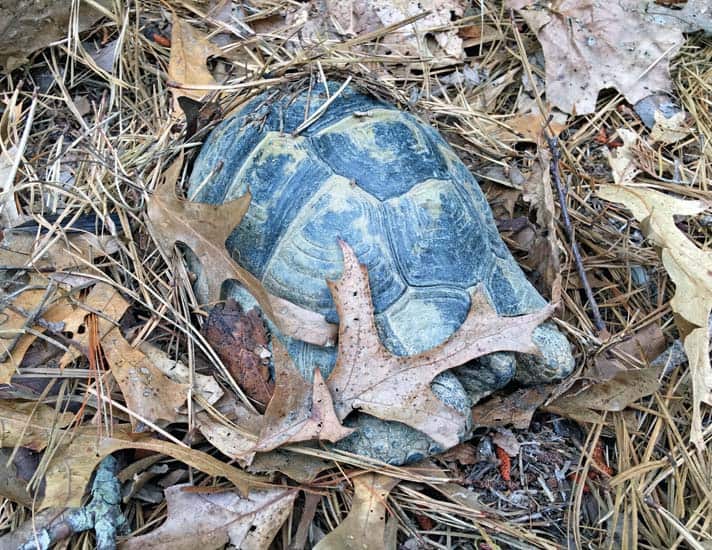
The seasonal dormancy process for our shelled friends is definitely intriguing; during this time, tortoises enter a phase where their metabolism slows down significantly, allowing them to conserve energy as the weather gets colder. Unlike what you might think of when it comes to tortoise hibernation, this state isn’t about a deep, uninterrupted sleep.
Instead, these coldblooded reptiles manage their energy effectively, which is incredibly important for their health.
The metabolic slowdown helps them cope with the chilly environment, providing a chance for their bodies to recharge. When it comes to supporting your tortoise during these months, creating a secure environment that allows for proper temperature regulation is essential for their hibernation and overall health.
| Stage | Time of Year (Northern Hemisphere) | Behavior | Environmental Conditions | Care Tips |
|---|---|---|---|---|
| Pre-Brumation | Late summer → Early autumn (Sept–Oct) | Reduced appetite, less active, bask less, may seek shelter | Cooling daytime temps (15–20°C / 59–68°F), shorter daylight | Stop feeding 2–3 weeks before brumation, ensure gut is empty, hydrate well |
| Brumation Onset | Mid–Late autumn (Oct–Nov) | Retreats to burrows, hides, stops eating completely | Temps drop below 15°C (59°F) | Place tortoise in insulated box/refrigeration setup (4–10°C / 39–50°F) depending on species |
| Deep Brumation | Winter (Nov–Feb, ~8–12 weeks) | Inactive, motionless, slowed heartbeat & breathing | Stable temps 4–8°C (39–46°F), high humidity (50–70%) | Check weekly for weight loss (<1% body weight/month is safe), rehydrate lightly |
| Brumation Awakening | Early spring (Feb–Mar) | Slowly becomes active, starts basking, drinks water first | Rising temps (15–20°C / 59–68°F), longer daylight | Warm bath to rehydrate, offer fresh greens, gradually return to normal feeding |
| Active Growth Phase | Spring → Summer (Mar–Aug) | Peak activity: basking, eating, breeding | Warm temps (20–30°C / 68–86°F), strong UVB light | Provide varied diet, regular hydration, outdoor access if possible |
What Is Tortoise Hibernation?
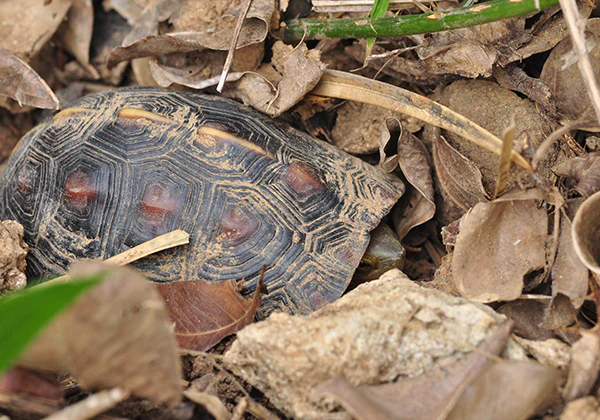
When temperatures drop, tortoises have a fascinating way of coping. They respond to various environmental triggers by entering a state of dormancy, which plays a significant role in their overall survival.
Unlike many other reptiles, these shelled creatures experience winter dormancy, allowing them to conserve energy when food becomes limited.
During this period, their metabolic rates decrease, resulting in noticeable physiological changes.
Depending on the species and habitat conditions, this dormancy can last for several months. Keeping these factors in mind can help you better support your tortoise’s health and wellbeing as they navigate their natural cycles
Understanding Seasonal Dormancy In Tortoises
When it comes to our shelled friends, they have fascinating ways to cope with seasonal changes. This natural phase plays a significant role in their overall health and well-being.
Energy conservation becomes key for various tortoise species as they navigate the chillier months ahead.
During this time, you might notice distinct brumation behavior, characterized by a decrease in activity and altered eating patterns.
It’s important to prepare their environment to facilitate proper thermoregulation, ensuring they have a snug space to rest. Keeping an observant eye on their signs of dormancy can greatly support your pet through this period, allowing them to bounce back with vigor when the temperatures rise
Tortoise Seasonal Behavior
- Tortoises enter a state of brumation during colder months, reducing their activity significantly.
- Energy conservation is crucial for tortoises to maintain health during seasonal changes.
- Proper thermoregulation is essential for tortoises to ensure they have a comfortable resting space.
- Monitoring signs of dormancy can help pet owners support their tortoises effectively through seasonal transitions.
How Coldblooded Reptiles Manage Brumation
When the colder months roll in, many reptiles have a unique way of coping with the drop in temperature. This seasonal adjustment allows them to enter a state of dormancy, slowing down their metabolism significantly.
If you’re caring for a tortoise, it’s important to keep an eye on health monitoring during this period.
Choosing the right substrate choice is key—make sure it’s cozy, yet not overly moist.
While your tortoise settles into this restful phase, monitoring humidity levels is also important. This way, you can spot any potential issues early on, giving you peace of mind and ensuring your pet remains healthy and comfortable.
As we dive into how temperature impacts this process, it’s clear that reptiles rely heavily on their environment. The role of temperature regulation in captive care, substrate choice, hibernation cycles, health monitoring, and humidity levels is crucial for ensuring the well-being of various species.
The Role Of Temperature Regulation In Brumation

Have you ever thought about how your tortoise reacts to changing weather?. During this time, their behavioral patterns shift dramatically, and this process ties into reptile biology.
Factors like light exposure and the right conditions in their habitat play a huge role.
Keeping an eye on these aspects can make all the difference.
With proper temperature regulation, you can help prevent serious issues, such as dehydration, ensuring your pet remains healthy throughout its natural cycle.
As the seasons change and temperatures dip, your tortoise’s burrowing habits often increase. They seek out warmth and shelter to create a cozy environment that supports their light exposure, food intake, and burrowing habits, all of which are essential for their behavioral patterns and overall reptile biology.
Tortoise Behavior and Biology
- Temperature regulation is crucial for maintaining a tortoise’s health and preventing dehydration.
- Light exposure influences tortoises’ behavioral patterns, affecting their food intake and overall well-being.
- Burrowing habits increase during colder seasons as tortoises seek warmth and shelter.
- Creating a suitable habitat can significantly impact a tortoise’s natural cycle and behavioral responses.
Recognizing Metabolic Slowdown In Tortoise Species
Watching how your tortoise acts can reveal a lot about its well-being. When it experiences a slowdown in its metabolism, there are specific signs worth noting.
For starters, a shift in how active it is could hint at some underlying issues.
If you notice changes in appetite, that should definitely raise a flag—when your tortoise isn’t eating like it used to, it’s time to take a closer look.
The dormancy period also plays a role in how lively your friend is. Keep an eye on its physical appearance; if there are any unusual weight fluctuations or signs of lethargy, it might be time for some concern.
Being aware of these indicators helps in managing your tortoise’s health effectively. Seasonal changes can greatly influence its behavior, affecting its breeding cycles, dormancy period, and overall survival strategies.
Environmental Triggers For Brumation Behavior
It’s fascinating how nature cues can guide your tortoise’s behavior with the changing seasons. When temperatures dip and daylight hours shorten, these reptiles instinctively begin to prepare for dormancy.
This behavior is not just about slowing down; it’s also a survival strategy to weather tough conditions.
Temperature shifts play a significant role here.
For optimal welfare, you’ll want those brumation temperatures to fall between 50°F to 60°F. A gradual decline is key, as it signals to your tortoise that it’s time to settle in, while sudden drops can create undue stress.
Lighting adjustments matter, too. With fewer daylight hours, your tortoise recognizes it’s time to ease off on activity. Pay attention to these factors when prepping your habitat for winter, as they are crucial for the welfare of the inhabitants, enhancing environmental enrichment through proper habitat preparation and effective wintering techniques in your husbandry practices.
Tortoise Dormancy
- Brumation temperatures for tortoises should ideally be maintained between 50°F to 60°F for their well-being.
- A gradual decrease in temperature helps signal to tortoises that it is time to prepare for dormancy, reducing stress.
- Shorter daylight hours trigger a natural instinct in tortoises to reduce their activity levels.
- Proper habitat preparation and wintering techniques are essential for enhancing the welfare of tortoises during the winter months.
Effective Reptile Care During Winter Dormancy
Caring for your reptile during the winter doesn’t have to be a hassle. Proper attention to their dietary needs during this dormant phase is really important.
Many reptiles tend to eat less as their metabolic rate slows down, so offering them smaller, less frequent meals is a smart move to match their lowered energy requirements.
Don’t forget about hydration! Even while they rest, making sure their water source stays clean is key.
A little bit of effort can go a long way in keeping your reptile healthy and snug during the cold months.
Next, let’s chat about creating a comfy and safe space for your scaly friend. Adjusting heat sources to reflect natural conditions helps them find their sweet spot temperature-wise. You might find that having a basking area is essential for regulating heat sources, which in turn affects the metabolic rate, growth patterns, sleep cycles, and dietary needs of your pets.
Monitoring Health During The Brumation Period
Paying attention to your tortoise during this restful time is vital for its overall health. Regular check-ins will give you a clearer picture of their shell health and well-being.
Every few weeks, gently rouse them to assess their condition.
Look for signs of stress, like lethargy or noticeable weight loss.
Humidity control plays a big role here; keeping the right humidity levels is essential to prevent dehydration. Create a cozy setup that mimics their natural habitat, as this allows for passive temperature regulation and helps them feel secure.
With some attentive care, you’ll ensure your tortoise maintains good health even while they’re dormant.
Tortoise Care
- Regular check-ins can help detect early signs of health issues, such as stress or weight loss.
- Maintaining proper humidity levels is crucial to prevent dehydration in tortoises.
- Creating an environment that mimics their natural habitat promotes comfort and security.
- Passive temperature regulation is essential for the overall well-being of dormant tortoises.
Conclusion
Taking a step back and reflecting on the journey with your tortoise really highlights the importance of their seasonal habits. Understanding their physiological needs during brumation is fundamental for ensuring they remain healthy.
The signs of a thriving brumation period are not just interesting to observe; they are essential indicators of your tortoise’s well-being.
When it comes to your tortoise’s care, don’t forget about the nuances of species-specific care.
Each tortoise type reacts differently to temperature and environmental shifts.
Crafting a tailored habitat simulation is a great way to cater to those unique requirements, making their living environment more comfortable and conducive to their needs.
So, keep these insights close as you continue to prioritize physiological needs, wildlife conservation, species-specific care, habitat simulation, and stress reduction in your efforts.
Originally posted 2025-02-12 08:18:11.