

Have you ever thought about the secret behind the impressive lifespan of these incredible reptiles? Tortoises stand out in the animal kingdom, capturing our fascination with their ability to live for decades. Their slow metabolism is a significant factor, enabling them to conserve energy while navigating their environments.
These animals show remarkable adaptability, finding both shelter and food sources that promote their longevity.
A balanced diet contributes to their health as they age, while regular exercise helps maintain their vitality.
Together, these factors create a framework for a successful tortoise lifespan, revealing how nature has equipped them for a long and thriving existence.
Genetic Factors Influencing Tortoise Longevity
Isn’t it fascinating how some creatures seem to have cracked the code for a lengthy existence?. These genetic variations are instrumental in optimizing cellular repair processes, allowing these remarkable beings to withstand wear and tear over the years.
Their unique telomere behavior offers an evolutionary advantage, setting them apart from many other species in their quest for a longer life.
A diverse genetic background contributes to habitat resilience, equipping tortoises to thrive in varied environments and adapt to changes that might threaten their survival.
This all ties into how they naturally live so long, seamlessly blending biology with their surroundings.
How Does Slow Metabolism Affect Lifespan?

Picture a tortoise slowly making its way across a sunlit patch of grass. This leisurely approach represents more than just a laid-back lifestyle; it’s tied to their unique metabolic rates.
With a slower energy usage, these creatures excel in cellular repair, enhancing their overall health and longevity.
Studies reveal how a lower metabolism can boost immune strength, allowing tortoises to weather various challenges over the years.
Their ability to enter hibernation is a fascinating adaptation, enabling them to conserve energy during colder months while staying safe. These traits play a significant role in the intricate life cycle of tortoises, highlighting just how effectively they thrive in their environments. Transitioning from genetic factors influencing longevity, it’s also important to recognize the impact of habitat resilience on their cellular repair, immune strength, hibernation, and overall life cycle and reproduction.
| Aspect | Details |
|---|---|
| Metabolic Rate | Lower metabolism enhances cellular repair and longevity |
| Immune Strength | Slower energy usage boosts immune resilience against challenges |
| Hibernation | Ability to conserve energy during colder months |
| Habitat Resilience | Impact on life cycle and reproductive success |
The Role Of Habitat Resilience In Survival
It’s fascinating to consider how much a tortoise’s home influences its well-being. The stability of their surroundings is key for these creatures, ensuring they have access to the resources necessary for life.
A well-balanced ecosystem is fundamental in this dynamic.
Without a variety of species and habitats, tortoise species can face significant hurdles.
Elements such as climate consistency and plentiful food sources are directly tied to their growth rate, shaping their overall health. When habitats are preserved, these animals can lead longer, healthier lives.
Each robust environment provides safety and sustenance, making habitat preservation critical for effective tortoise care. A thriving home means a better chance for survival, leading us to think deeper about these magnificent creatures as we transition to understanding their age and life cycles, particularly in the context of various tortoise species, their growth rates, the importance of habitat preservation, the necessity of maintaining ecological balance, and the survival strategies intrinsic to tortoise care.
Understanding Tortoise Species And Their Age
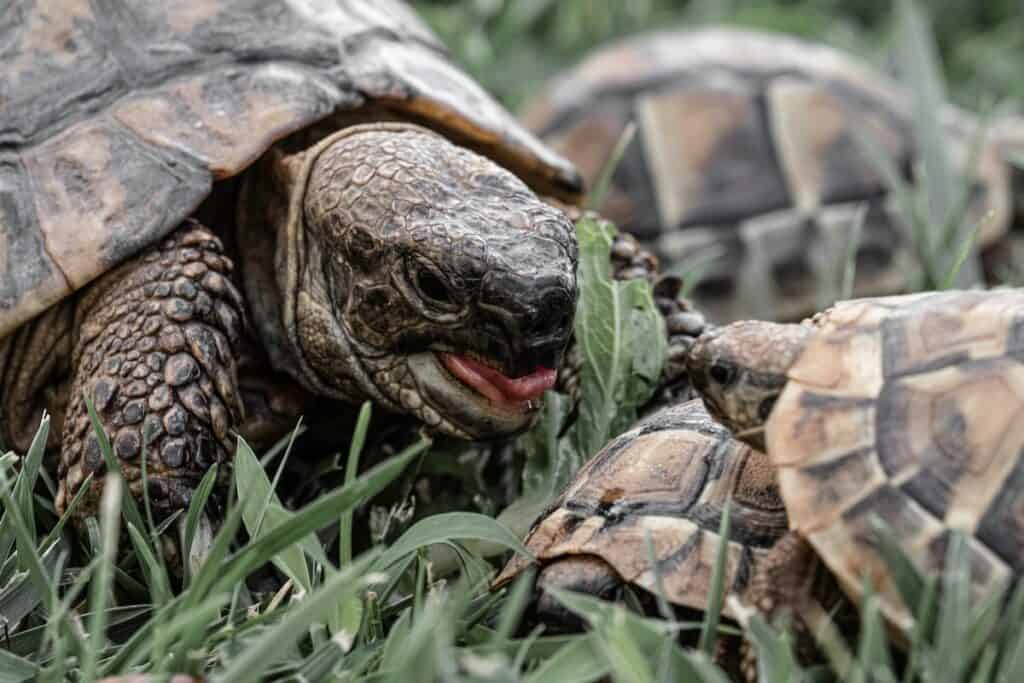
These fascinating creatures have an impressive knack for longevity, often living well over a hundred years. Take the Galápagos tortoise, for example; it can live beyond 177 years! Such remarkable lifespans are a product of various factors like predator evasion and natural selection.
Their unique behavior tends to promote health maintenance, which plays a big role in their resilience.
Each species showcases different lifespans, influenced by their environments and specific adaptations.
Insights into these factors not only enrich our understanding of these terrestrial reptiles but also enhance our appreciation for their survival strategies
| Species | Average Lifespan | Key Factors Influencing Longevity |
|---|---|---|
| Galápagos Tortoise | 177+ years | Predator evasion, Natural selection |
| Aldabra Giant Tortoise | Over 100 years | Health maintenance, Environmental adaptations |
| Asian Elephant | 60-70 years | Social structure, Habitat preservation |
Aging Mechanisms In Tortoises Explained
The secret behind the incredible longevity of tortoises is truly captivating. These amazing reptiles often celebrate birthdays that stretch well beyond a century! What sets them apart? Their biological clock operates at a relaxed pace, thanks in part to a remarkably slow metabolic rate.
This slow burn allows their bodies to conserve water conservation efficiently, which is a lifeline in their often arid habitats.
Interestingly, their cells possess unique mechanisms that significantly slow down aging processes, helping them remain active and vibrant much longer than most creatures.
When we dive into species comparison, it becomes clear how tortoises showcase minimal signs of senescence, making their life expectancy all the more intriguing.
Shifting gears, let’s explore how water conservation, dietary diversity, life expectancy, biological clock, metabolic rate, and species comparison interconnect to influence the well-being of ecosystems and human health.
Dietary Habits Contributing To Health Maintenance
It’s amazing how much what we eat shapes our well-being, and that’s just as true for tortoises as it is for us! A nutritious meal plan significantly influences their anatomy and overall health. These creatures flourish on a variety of leafy greens, vibrant flowers, and fresh vegetables, all of which provide the fiber, vitamins, and minerals necessary for a longer life.
Staying hydrated is also key; proper hydration plays a big role in their vitality and longevity.
Interestingly, certain foods can impact their aging process, helping them maintain youthful energy.
Wild tortoises enjoy habitat diversity that influences their food choices, while our domesticated friends rely on us to provide them with balanced meals. Keeping an eye on these dietary habits can truly enhance your pet’s health and contribute to their longevity
What Are The Evolutionary Advantages Of Tortoises
When you think about fascinating wildlife, the ancient charm of these reptiles really stands out. Their remarkable evolutionary adaptations boast incredible carapace durability, offering a sturdy defense against many predators.
This tough shell allows them to live longer lives since they can simply retreat inside when danger looms.
A variety of wild tortoise species have also honed energy conservation through a slow metabolism, letting them survive with less food and thrive in diverse habitats.

These animals employ a unique reproductive strategy tied to their longevity, producing more offspring over time and fostering their young effectively.
With each trait, they weave a story of wellness and resilience that highlights how such adaptations contribute to their survival and success. Shifting gears, researchers examined the wild tortoise’s carapace durability and environmental resilience to enhance our understanding of wellness in their habitats.
Stress Resistance And Its Impact On Longevity
How we respond to life’s pressures can significantly shape our journey through it. For turtles and tortoises, their unique traits play an important role in their ability to face stress.
This resilience not only supports their survival but also has a direct impact on their lifespan.
Across various populations, these reptiles showcase remarkable longevity, a feat made possible by a combination of genetic diversity and ecological factors.
Their slow metabolism reduces the wear and tear on their systems, making it easier for them to thrive over the years. Such aspects of nature’s design highlight how effective coping mechanisms contribute to healthier aging.
It’s fascinating to see how examining these features can inspire our own approaches to living well as we age.
| Trait | Impact on Longevity |
|---|---|
| Genetic Diversity | Enhances adaptability and survival rates |
| Slow Metabolism | Reduces wear and tear on bodily systems |
| Ecological Factors | Supports thriving in various environments |
| Coping Mechanisms | Contributes to healthier aging |
Originally posted 2025-11-01 04:00:00.