

If you’re thinking about adding a cheerful shelled companion to your life, the first thing you’ll likely consider is the expense involved. Prices for these charming creatures can vary quite a bit, depending on the specific tortoise species you’re interested in and where you decide to make your purchase.
You might find some breeds available for as little as $50, while others can soar past the $500 mark! The cost will also depend on factors like age, rarity, and geographic location. Besides the initial price tag, tortoise care involves various ongoing expenses such as tortoise habitat setup, food, and veterinary care, which can really add up over time, especially when considering the specific needs of different tortoise species and the necessary turtle supplies for these exotic pets.
Understanding Tortoise Species And Costs
When it comes to picking a tortoise, there’s a lot more to consider than just the charming shell that catches your eye. Each species has its own special traits and quirks that can really influence your choice.
For example, the Russian tortoise is known for being friendly and adaptable, while the sulcata is a bit more of a gentle giant.
These unique characteristics not only make them wonderful companions but can also impact the costs associated with their care.

Speaking of costs, there’s a wide range when it comes to pricing.
You might find some tortoise types available for just a few hundred dollars, while rarer varieties can really break the bank. The age and rarity of the tortoise play a big role in determining its price tag. So, if you’re eyeing a specific breed, it’s good to be prepared for the tortoise diet, veterinarian visits, lifespan, pet expenses, enclosure setup, and adoption requirements.
Essential Tortoise Care For Longevity
If you’re aiming for your tortoise to lead a vibrant life, the right care practices matter. Let’s get into how to create an ideal habitat for your shelled friend.
Make sure they have ample space to roam; a roomy enclosure keeps them active and content.
Temperature, humidity, and lighting play significant roles in their overall health, so pay close attention to those elements.
Next, let’s chat about feeding.
What you offer your tortoise matters greatly for their well-being. Fresh greens should take center stage in their meals, bringing in the nutrients they need.
Hydration is super important too! You might even want to consider some accessories like feeding supplements when necessary to keep their diet balanced. Regular health checks are essential to ensure the well-being of your pet turtle, alongside considerations like accessories, feeding, pricing, and ownership costs.
Tortoise Care
- A spacious enclosure allows tortoises to exercise, which is vital for their physical health.
- Maintaining proper temperature and humidity levels can prevent respiratory issues and promote overall health.
- Fresh greens provide essential vitamins and minerals, crucial for a tortoise’s diet.
- Regular health checks can help identify potential health issues early, ensuring a longer lifespan for your tortoise.
Common Pet Expenses For Tortoises
Caring for a tortoise offers a unique experience, filled with plenty of joys and responsibilities. The initial cost can vary quite a bit, especially when considering different breeds.
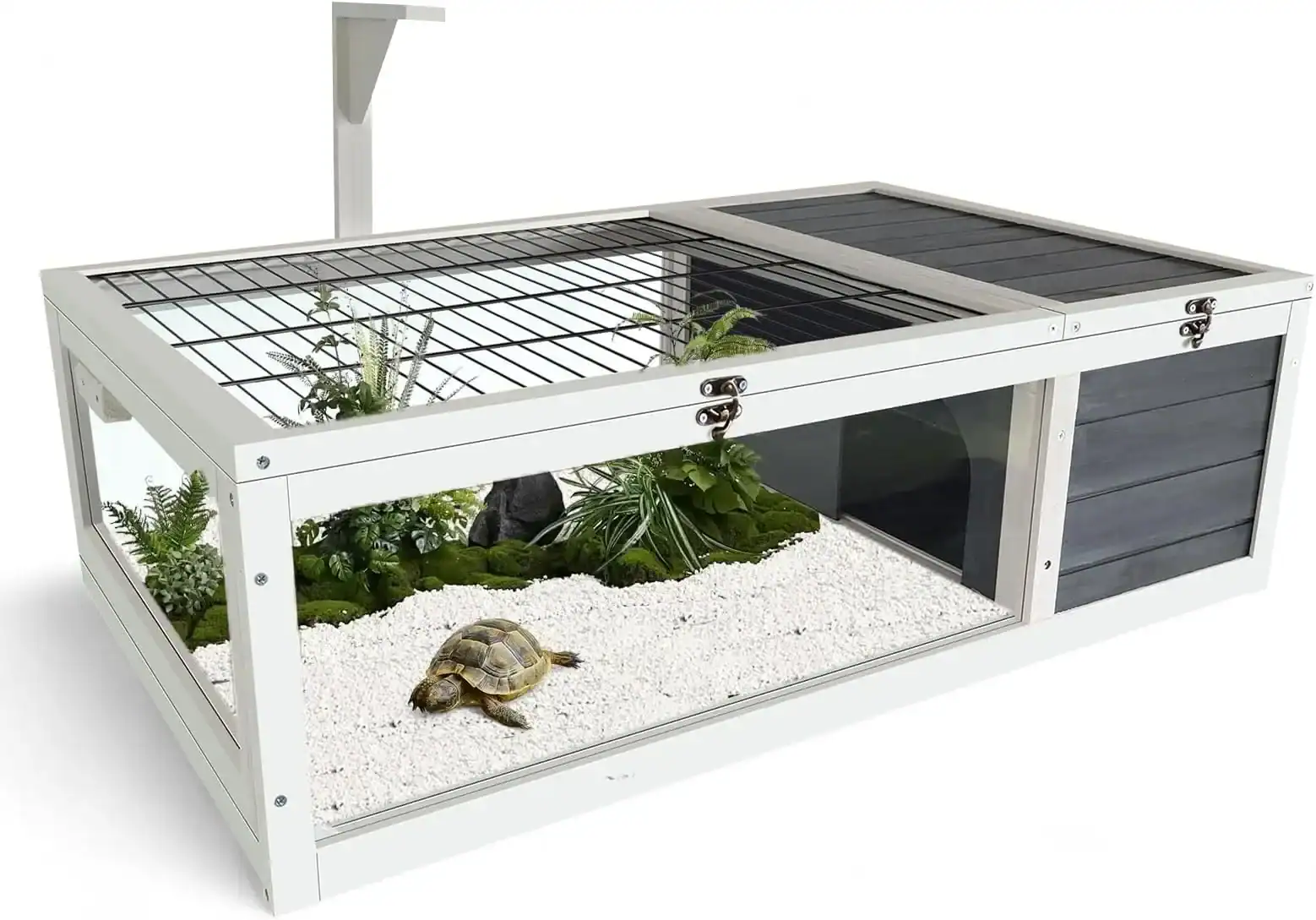
Setting up the right habitat is key—think about finding a suitable enclosure to keep your little friend comfortable and safe.
You’ll also want to invest in essential maintenance items like proper heating and lighting to address their specific temperature needs.
Feeding them is an ongoing expense that shouldn’t be overlooked.
Fresh greens and specialized tortoise diets are important for keeping them healthy, so budgeting for those is a must. Supplements can also play a role in providing balanced nutrition.
Regular veterinary care is another consideration, covering everything from routine check-ups to shell care. Understanding the specific care requirements for different reptile breeds, such as their maintenance, temperature needs, and shell care, is essential for successful pet ownership and ensuring the well-being of these animals.
How To Set Up Tortoise Habitat
Creating a cozy space for your shelled friend is key to their wellbeing. Start by diving into the unique requirements of your tortoise species, as these critters can have diverse preferences.
Providing ample space is important; a good rule of thumb is at least 10 square feet for most breeds to thrive.
It’s not just about space—think about their environment too.
Indoor setups ensure safety, but they require proper lighting and humidity control to mimic their natural habitats. Outdoor options allow for more exploration but come with the need for secure fencing to keep them safe.
And don’t forget the fun stuff! Adding bedding, hiding spots, and enrichment toys can really help stimulate their habits and keep them engaged
Key Considerations for Tortoise Care
- Most tortoise species require at least 10 square feet of space to thrive.
- Proper lighting and humidity control are essential for indoor habitats to mimic natural conditions.
- Outdoor enclosures should have secure fencing to protect tortoises from predators.
- Providing bedding, hiding spots, and enrichment toys helps stimulate tortoise behavior and engagement.
What Are The Tortoise Diet Requirements
Getting the right food on your tortoise’s plate is very important for keeping them healthy. A well-rounded meal plan should feature lots of greens and vegetables, which really help support their wellbeing.
Tossing in some fruits now and then adds a nice touch of variety to their diet.
Don’t overlook the importance of water requirements; having fresh water available at all times is a must.
Tortoises benefit from regular meals, though the frequency can differ based on age and species. Keeping an eye on portion sizes is key to avoiding overfeeding, which can lead to health issues.
A balanced diet will help boost their longevity and happiness, making for a thriving little companion. As part of their habitat design, make sure your tortoise can easily reach their food and water, promoting healthy eating and meeting their water requirements, which are essential for longevity in outdoor tortoises rescued by responsible owners.
Do Tortoises Need Regular Veterinarian Visits

Taking care of a tortoise goes beyond just providing a cozy space and tasty treats. Regular check-ups play a significant role in ensuring their wellbeing.
These fascinating creatures can encounter health issues, such as respiratory infections or shell problems, which might not always be obvious.
Early detection through routine vet visits can truly make a difference in their overall health.
So, how often should you plan on visiting the vet? A yearly appointment typically works well for most tortoises. If you have an older pet or notice any signs of illness, more frequent care might be necessary.
Keep an eye on their behavior; signs like lethargy or changes in nutrition can indicate potential problems. Staying proactive about their safety through proper medicine, grooming, insurance, nutrition, and a safe environment can help ward off bigger concerns later on!.
Tortoise Care
- Regular vet check-ups can help detect health issues early, improving treatment outcomes.
- Yearly veterinary visits are recommended for most tortoises, with more frequent visits for older pets or those showing illness signs.
- Signs of lethargy or changes in nutrition can indicate potential health problems in tortoises.
- Proactive care, including proper nutrition and a safe environment, can prevent larger health issues in the future.
Exploring Enclosure Setup And Accessories
Creating the ideal living space for your tortoise is an enjoyable adventure and is super important for their well-being. One key decision is picking the right enclosure type.
Are you leaning more towards an outdoor space or an indoor setup? Each option has its benefits tailored to different species of tortoises.
Plus, don’t forget—size is a big deal; your pet needs lots of room to roam and show off those natural behavior patterns.
Now, let’s dive into the accessories that can enhance your tortoise’s habitat.
Proper heating and lighting play a significant role in their health, especially if you’re looking out for them during hibernation. Cozy hiding spots and suitable substrates can transform their space into a comfy retreat, where your tortoise can feel secure and thrive. Feeding stations provide essential support during hibernation and offer valuable advice on handling behavior patterns related to breeding and companionship.
Adoption Vs Buying: What’s Best
Bringing a tortoise into your life can be an exciting journey, whether you choose to give a creature in need a home or opt for a specific breed that catches your eye. Adopting a tortoise often means offering a second chance to an animal that deserves love and care.
There’s something really special about knowing you’re making a difference; it can warm your heart in ways you might not expect.
Alternatively, purchasing allows you to select a tortoise with a known background, which can be appealing to those who enjoy learning about their pet’s history.
Regardless of your choice, both paths demand a commitment to ensuring your new friend thrives in a welcoming living space and enjoys a climate that suits its needs.
When considering finances, adoption generally comes with lower costs since shelters typically charge fees for activity, friendly plants, exercise, transportation, living space, and climate needs.
Adopting a Tortoise
- Adopting a tortoise can save a life, providing a home for an animal in need.
- Adoption fees are typically lower than purchasing from breeders or pet stores.
- Many shelters provide essential care and information about the tortoise’s needs, making it easier for new owners.
- Choosing to adopt can foster a sense of community and responsibility towards animal welfare.
Originally posted 2025-10-31 04:00:00.