

Have you ever thought about how these remarkable creatures make it in such a harsh landscape? With their ingenious adaptations, tortoises really know how to thrive amid the blistering heat and dry air. Their unique physiology plays a huge role in moisture retention, allowing them to store water and ration it efficiently.
This means they can go a long time without needing a drink.
Plus, their burrowing behavior is quite the smart move—digging into the earth provides them a cool escape from the burning sun, creating a comfy microclimate for themselves. This blend of heat regulation and savvy water management is absolutely key for the desert adaptation and survival of tortoises, enabling them to thrive in extreme environments through effective moisture retention and burrowing behavior.
Desert Adaptation In Tortoise Survival
Life in the desert poses quite a few challenges, but tortoises have mastered the art of survival. These fascinating creatures have come up with some clever strategies to thrive in their arid environment.
For instance, their shell protection isn’t merely decorative; it serves a crucial function by keeping them safe from predators and helping them regulate their temperature.
When the sun blazes overhead, tortoises often rely on nocturnal behavior, choosing to rest during the sweltering days and venturing out at night when temperatures drop.
They’ve also developed impressive skills in food storage, allowing them to sustain themselves even when resources seem limited.
How Does Tortoise Physiology Aid Survival?

When you think of survival in harsh environments, tortoises might not be the first creatures that come to mind. These remarkable reptiles have developed some fascinating traits to thrive amidst adversity.
For starters, their unique shell structure acts like a fortress, providing important protection against predators and extreme weather conditions.
This shell also plays a significant role in body temperature control, allowing them to keep cool during those scorching days.
Their slow metabolism is like having a secret weapon; it helps them conserve energy and makes it easier to endure times when food is scarce. With impressive water conservation techniques, they cleverly manage to stay hydrated, highlighting how well they’ve adapted to their surroundings.
Transitioning from desert adaptation, let’s dive into the innovative moisture retention techniques these resilient creatures employ.
| Adaptation Feature | Description |
|---|---|
| Shell Structure | Acts as a fortress for protection against predators and extreme weather. |
| Body Temperature Control | Helps maintain coolness during hot days. |
| Slow Metabolism | Conserves energy and aids survival during food scarcity. |
| Water Conservation Techniques | Innovative methods to manage hydration in harsh environments. |
Moisture Retention Techniques For Tortoises
Keeping your tortoise happy and healthy involves more than just providing food and water. Did you know these fascinating creatures can survive for long stretches without drinking? Their remarkable survival instincts help them thrive in less-than-ideal conditions.
In their natural habitats, tortoises often find shelter to shield themselves from the harsh elements, supporting their ability to retain moisture.
Creating a similar environment at home is key.
Offering moisture-rich foods like cucumbers and leafy greens can significantly enhance their metabolic efficiency. Pairing these dietary choices with proper habitat diversity will encourage natural foraging behavior, letting your tortoise stay hydrated as they nibble away. As we explore ways to help your tortoise maintain hydration, let’s also consider how heat regulation plays a role in their well-being, especially for their metabolic efficiency, habitat diversity, ecological niche, survival instincts, foraging behavior, and shelter seeking.
Heat Regulation Methods In Desert Tortoises
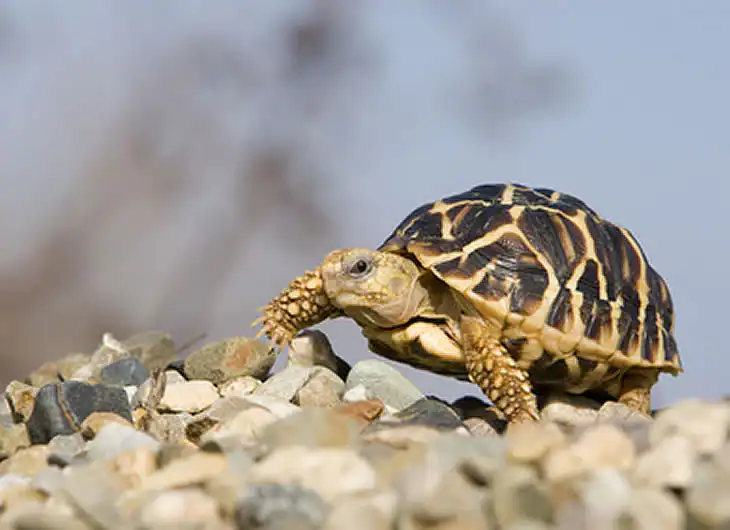
Isn’t it intriguing how some animals thrive in the blazing sun? Desert tortoises, for instance, have developed remarkable evolutionary traits that allow them to stay cool in extreme temperatures. When the sun reaches its peak, these clever creatures head for shade, helping them avoid overheating and saving energy in the process.
Their unique shell structure acts as a barrier against scorching rays, while an adaptable metabolism helps reduce unnecessary heat production.
These habits are just part of their environmental adaptation to a harsh xeric habitat where temperatures can be relentless.
As we shift from discussing moisture retention techniques for tortoises, it’s fascinating to see how their burrowing behavior offers additional advantages in their survival strategy.
Desert Tortoises
- Desert tortoises can withstand extreme temperatures by seeking shade during peak sun hours.
- Their shell structure provides protection against harmful UV rays.
- They possess an adaptable metabolism that minimizes heat production.
- Burrowing behavior allows them to escape heat and conserve moisture in their environment.
Burrowing Behavior And Its Advantages
Have you ever thought about how some animals manage to adapt to the toughest settings? For tortoises, digging into the earth is a fascinating survival strategy. This behavior not only allows them to find relief from scorching temperatures but also enhances their behavioral adaptations in various circumstances.
As they burrow, they create a cool sanctuary that promotes their health and well-being.
This technique supports climate tolerance by minimizing moisture loss in arid regions.
Diving deeper into these habits reveals much about their habitat selection and remarkable resilience as environments shift. As we transition from heat regulation methods, let’s take a look at how nocturnal behaviors further contribute to their survival in such challenging landscapes
The Role Of Nocturnal Behavior In Survival

When the sun sets, a whole new world awakens for many creatures. Take tortoises, for example; they come alive at night, using this time to manage their body weight management and avoid the brutal heat of the day.
Moving around in cooler temperatures not only helps with energy efficiency but also allows them to conserve resources.
Plus, nighttime activities offer a clever way to sidestep predators, who are typically more active during daylight hours.
With adaptations like enhanced night vision, these tortoises also engage in social behavior that supports their survival. So, while it may seem quiet under the night sky, it’s a bustling time for those who thrive after dark.
Shifting our focus to burrowing behavior and its advantages, we can see how the energy efficiency, nutrient acquisition, body weight management, long lifespan, social behavior, and predator-prey interactions contribute significantly to the survival and success of various species.
Nocturnal Behavior in Tortoises
- Nocturnal activity helps tortoises regulate their body temperature and avoid daytime heat.
- Cooler nighttime temperatures enhance energy efficiency and resource conservation.
- Enhanced night vision allows tortoises to engage in social behaviors that aid in survival.
- Nighttime activity reduces the risk of encounters with daytime predators.
Food Storage Strategies During Droughts
Planning how to keep your groceries safe can really make a difference when the weather gets tough. Drought conditions often throw a wrench in our food supply, making resource management an essential part of our approach.
Knowing the right amount of food to keep on hand can help maintain ecological balance during these times.
Canning, dehydrating, and freezing offer solid methods to preserve those goodies for longer stretches.
Think about creating a sustainable living pantry filled with staples you reach for regularly.
It’s important to rotate your supplies to ensure freshness and be prepared for any environmental challenges ahead. By taking steps now, you can enjoy a well-stocked kitchen, even when resources seem scarce. Feeling secure in your food supply makes all the difference in achieving ecological balance and effectively addressing environmental challenges through resource management and sustainable living, while also considering the energy expenditure needed to protect endangered tortoise species.
What Are The Defensive Mechanisms Of Tortoises
These remarkable creatures possess some intriguing ways to protect themselves from threats in their environment. Their sturdy shells are a fantastic example of evolutionary biology, serving as a robust barrier against various predators.
When faced with danger, many tortoises instinctively retreat into their shells, a behavior that extends beyond mere concealment; it also aids in moisture retention during dry spells.
Tortoises can adjust their movements, slowing down to blend into their surroundings.
These adaptation strategies are vital for their survival, allowing them to flourish even in harsh conditions. Exploring these unique traits enriches our understanding of biodiversity conservation and highlights the ecological resilience of such astonishing animals
Originally posted 2025-11-07 05:00:00.